C4–C5
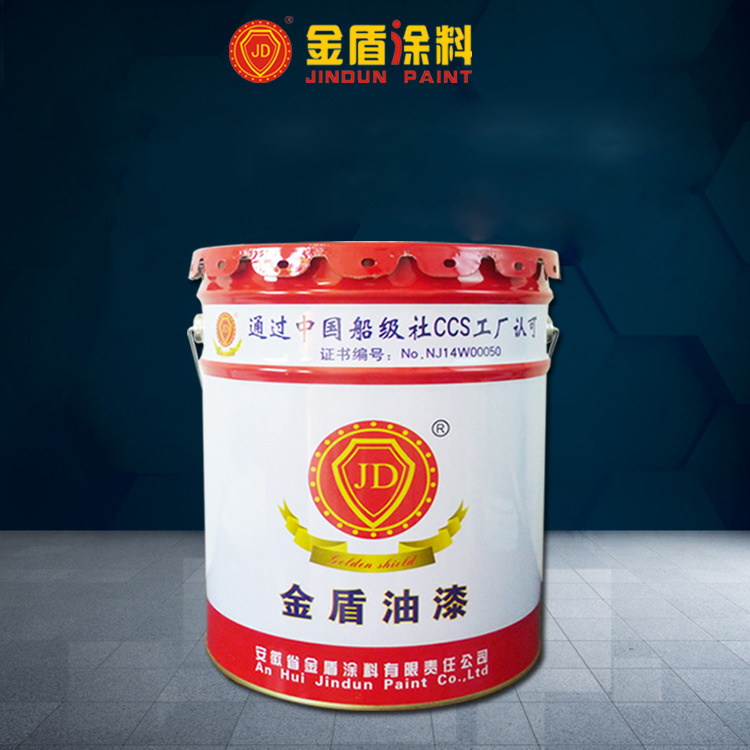
JDZinc745 — Epoxy zinc-rich primer
Role: Epoxy zinc-rich primer
Position: Primer
Coastal air. Heavy industrial load.
Systems: C4-01
View product
Coastal air. Heavy industrial load.
Salt spray, sulphur dioxide and frequent wetting drive the corrosion rate. A zinc-rich or inorganic zinc primer plus a high-build barrier is the normal starting point; the topcoat must survive the chloride load and the UV.
Port equipment, coastal bridges, shipyard steel, process pipe racks, tanks and structural frames.
Durability is a target, not a promise. ISO 12944 durability bands — low, medium, high and very high — describe the intended time to first major maintenance under the defined environment. They do not replace the project specification, the coating build or the inspection plan.
| System | Primer | Intermediate | Topcoat | Build |
|---|---|---|---|---|
| C4-01 | JDZinc745 | H06-13 | JDThane7106S | 3 coats |
| C4-02 | JDE06-65 | H06-13 | JDThane7106S | 3 coats |
| C4-03 | JDGuard4433 | — | JDThane7106S | 2 coats |
Role: Epoxy zinc-rich primer
Position: Primer
Coastal air. Heavy industrial load.
Systems: C4-01
View product
Role: Inorganic zinc primer
Position: Primer
Coastal air. Heavy industrial load.
Systems: C4-02
View product
Role: Fast-dry epoxy · multi-role
Position: Primer / Intermediate / Topcoat / Single coat
Coastal air. Heavy industrial load.
Systems: C4-03 / C5-01
View product
Role: Epoxy MIO intermediate
Position: Intermediate
Coastal air. Heavy industrial load.
Systems: C4-01 / C4-02
View product
Role: Polyurethane topcoat
Position: Topcoat
Coastal air. Heavy industrial load.
Systems: C4-01 / C4-02 / C4-03
View productSa 2½; chloride check before blasting; stripe-coat edges, welds, bolt heads and inaccessible corners.
Mist-coat zinc-rich primers to avoid dry spray and pinholing. Respect the overcoating window; do not trap solvent. Confirm the chloride load at the steel, not only the distance to the sea.
C4 and C5 are not marketing labels. They describe salt load, wetting time and pollution at the steel. A C5 topcoat over a C3 primer is not a C5 system — the category applies to the whole build.
Send the substrate, environment category, durability target and service temperature — we will return the matched build and the current TDS.